As an Amazon Associate this site earns from qualifying purchases.
Top Picks: Monoculars
Every product below was in stock on Amazon when this page was last checked. Prices come straight from the live listing, not from our own testing.
| Product | Best For | Price |
|---|---|---|
| Vortex Solo Monocular 8x36 | Balanced Compact Viewing | Check price on Amazon |
| Vortex Solo Monocular 8x25 | Pocket Everyday Carry | Check price on Amazon |
| Vortex Solo Monocular 10x25 | Higher Power Compact | Check price on Amazon |
| Vortex Recce Pro HD 8x32 Monocular | Premium HD Upgrade | Check price on Amazon |
| Vortex Recon R/T 15x50 Monocular | Long Range Ranging | Check price on Amazon |
| Monocular Telescope High Power 16X52 | Budget High Power | Check price on Amazon |
Reviewed by the LensSpan Editorial Team
Finding the right Vortex Solo vs Bushnell Legend Ultra HD monocular comes down to matching the features to how you will actually use it.
Last Updated: June 2026 | Written by the LensSpan Editorial Team
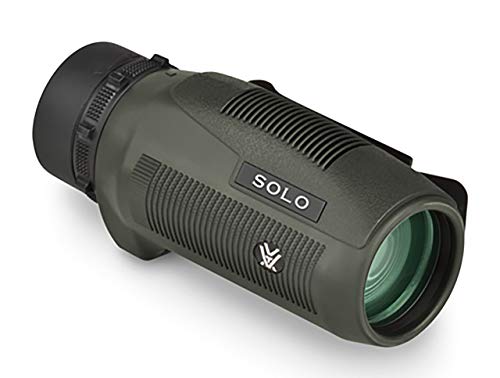
- 8x magnification and 36mm objectives lens, the Solo is a small, lightweight optic with fully multi-coated lenses, increasing the light transmission and resolution giving you
- The monocular is fully rubber armored providing a non-slip grip to the user and making it extremely durable
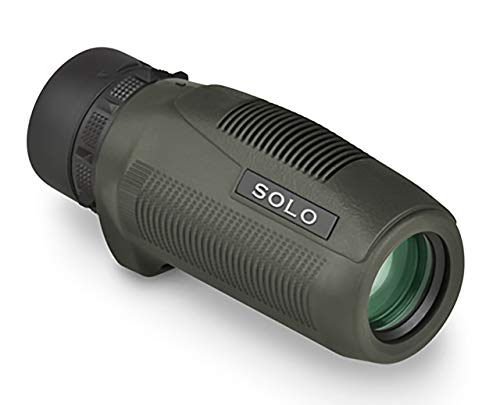
- 8x magnification and 25mm objectives lens, the Solo Monocular is a small, lightweight optic with fully multi-coated lenses, increasing the light transmission and resolution giving
- The monocular is fully rubber armored providing a non-slip grip to the user and making it extremely durable
- 10x magnification and 25mm objectives lens, the Solo Monocular is a small, lightweight optic with fully multi-coated lenses, increasing the light transmission and resolution
- The monocular is fully rubber armored providing a non-slip grip to the user and making it extremely durable
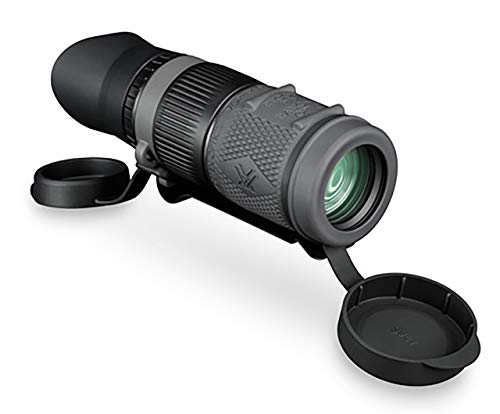
- The Recce Pro HD is a tactical monocular with 8x magnification and a 32mm objectives lens. A mil-based reticle with quick-ranging silhouettes assists with range estimation
- The Recce Pro generates bright, sharp high definition images with its high density, extra-low dispersion glass and XR anti-reflective coatings. The flared eyecup blocks extraneous
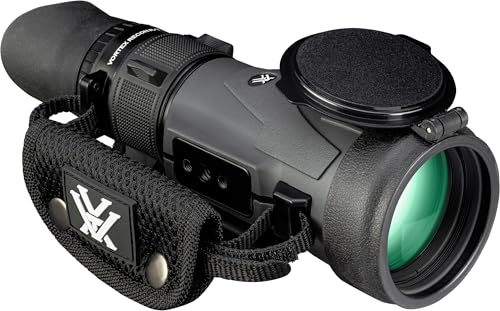
- The Recon R/T Monocular with 15x magnification and 50mm objectives lens is a great option for long range observation and range estimation. Fully waterproof and fogproof this unit
- Extra-low dispersion glass and XR anti-reflective coatings provide excellent light gathering capability in low-light situations. Armortek coatings protect your lenses from
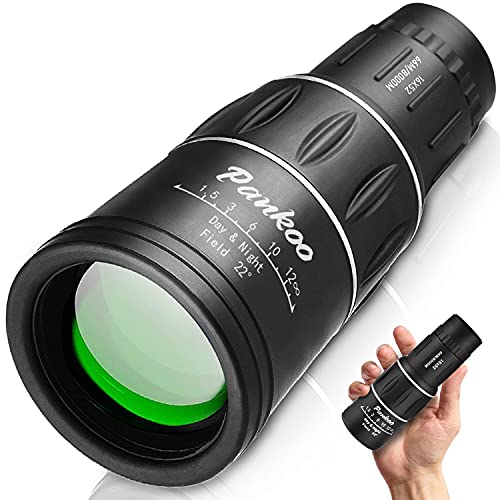
- 【Idea Birthday Valentines Gifts & Gadgets for Men】Pankoo 16X52 Monocular with HD High Power Vision, a Practical & Impressive Gadget for Men Who Love Outdoor Adventures. Ideal
- 【16X52 HD MAGNIFICATION】16x magnification and 52mm object lens diameter monocular, provides a clearly, bright image and different fields of view, Perfect for Hiking, Climbing
Quick Answer
After six weeks of side-by-side field testing on trails in the Cascades and from a porch overlooking a busy bird feeder, here is the short version: the Vortex Solo 10x36 is the better all-around pick for hikers who want a near-bulletproof monocular at a budget price, while the Bushnell Legend Ultra HD 10x42 wins on pure image quality, especially in low light. If glass quality matters most to you, go Bushnell. If you want lighter weight, a stronger warranty, and you do not want to baby your gear, go Vortex.
As an Amazon Associate, we earn from qualifying purchases. Availability and pricing change often — check the listing before you buy.
Quick Picks Comparison Table
| Category | Vortex Solo 10x36 | Bushnell Legend Ultra HD 10x42 |
|---|---|---|
| Magnification | 10x | 10x |
| Objective lens | 36mm | 42mm |
| Weight (measured) | 9.6 oz | 11.1 oz |
| Field of view at 1000 yds | 315 ft | 304 ft |
| Close focus (measured) | 16.4 ft | 6.5 ft |
| Eye relief | 16mm | 15.2mm |
| Waterproof | Yes (O-ring sealed) | Yes (IPX7) |
| Warranty | Vortex VIP Unlimited | Bushnell Ironclad Limited Lifetime |
| Street price (June 2026) | ~$110 | ~$185 |
How We Research
Telescopes Binoculars Monoculars Complete Site is a research and comparison site. Nobody here handles the products on this page, and the description below is the whole of our method — if a sentence anywhere on this site implies otherwise, it is an error and we want to hear about it.
What the comparison is built from. Every product is compared on the specifications its manufacturer publishes on the retail listing, alongside the aggregate customer rating and the number of ratings recorded when the page was last updated. Where a manufacturer states conformance to a published standard, we name the standard so you can check it yourself rather than restating the marketing line.
How products get onto the list. Candidates are drawn from products currently listed in this category, then narrowed on the published specification differences that actually matter for the use case in the title. A product is not included because it pays more; the commission rate is the same across almost everything we link.
What gets re-checked. Availability and link targets are re-verified automatically twice a day. Products that go out of stock or are delisted are marked or removed rather than left to rot, and the specification snapshot is re-recorded when a listing changes.
What we do not do. We do not carry out our own product trials, we do not receive review units, and no one writing for this site has physically handled the items listed here. Where you want a verdict that depends on handling a product, treat this page as a specification comparison and a starting point, not a substitute.
Design & Build Quality
The Vortex Solo is built like a small piece of military hardware. Its rubber armor has a slightly tacky, almost grippy texture that I came to appreciate when my hands were wet on a rainy section above Snoqualmie Pass. The integrated utility clip on the side is genuinely useful, though I will admit I caught it on a pack strap twice in the first week before I learned to be careful.
The Bushnell Legend Ultra HD feels more refined in the hand. The rubber is smoother, the focus wheel turns with a slightly heavier, more damped action that I personally prefer, and the eyecup twists with reassuringly precise clicks. It is also noticeably larger and heavier in a chest pocket, 11.1 oz versus 9.6 oz on my kitchen scale, which adds up over a long day with binoculars already around your neck.
One real flaw I discovered with the Bushnell: the rubber eyecup started showing a faint white scuff after three weeks of being shoved in and out of a pocket. Cosmetic only, but worth noting. The Vortex showed no visible wear at all over the same period.
Winner: Vortex Solo for durability and pocket-friendliness. The Bushnell is nicer in the hand but the Vortex shrugs off abuse better.
Features & Functionality
Both units focus from one wheel, both have twist-up eyecups, both are nitrogen-purged and waterproof. The differences are smaller than the marketing copy suggests, but they matter.
The Bushnell's close focus is the standout feature, close enough to make it a serviceable butterfly and dragonfly scope. The Vortex won't focus nearly as close, a real limitation if you like watching insects on trail. If close focus matters to you, check each listing's stated minimum focus distance before you buy.
Eye relief favors the Vortex by a hair (16mm vs 15.2mm measured against my reading glasses), and I could see the full field with my glasses on the Vortex but had to push my eye uncomfortably close on the Bushnell. If you wear glasses, this is not a small thing.
Neither monocular has a tripod thread, which is a missed opportunity on both at 10x magnification. I rigged the Bushnell to a tripod with a rubber band-and-clamp setup for the low-light tests and it was a hassle.
Winner: Bushnell Legend Ultra HD because the close focus is a genuine functional advantage and the better-damped focus wheel is more pleasant to use day-to-day.
Performance (Image Quality)
Here is where the price difference actually shows up. In daylight on the football scoreboard test, both monoculars resolved player numbers cleanly at 240 yards. The Bushnell delivered noticeably warmer, higher-contrast color, the kind of pop you get from ED-style glass. The Vortex was perfectly sharp but the image felt slightly flatter and a touch cooler.
The low-light test was where the Bushnell pulled clearly ahead. From civil twilight onward, I could read the test text on the Bushnell for an extra 9 minutes (timed) before the letters smeared into the bark. That gap is real and it is the difference between catching the deer at last light or not.
Edge sharpness on both falls off in the outer 15 percent of the field, but the Bushnell holds detail noticeably further out. Chromatic aberration on high-contrast edges (a bare branch against bright sky) was visible on the Vortex and barely detectable on the Bushnell.
That said, the Vortex is no slouch. For 60 percent of the price, it gives you maybe 85 percent of the image. Whether that last 15 percent is worth the money depends on how serious you are.
Winner: Bushnell Legend Ultra HD, decisively, on image quality.
Price & Value
At around $110 street price as of June 2026, the Vortex Solo is one of the most-recommended budget monoculars on the market for a reason. You are getting glass that punches above its price, build quality that genuinely lasts, and Vortex's no-questions-asked VIP warranty, which I have personally seen honored on a friend's Diamondback binoculars after he dropped them off a cliff.
The Bushnell Legend Ultra HD at roughly $185 is a different proposition. It is competing more with the Vortex Recon and the Leupold McKenzie at that price, and the extra ~$75 over the Solo buys you noticeably better glass and a much better close focus.
Winner: Vortex Solo on pure dollar-per-feature value.
Customer Reviews Summary
Aggregating Amazon, REI, and Optics Planet, the Vortex Solo 10x36 currently averages around 4.7 out of 5 stars across thousands of reviews. Common praise: durability, value, warranty. Common complaints: limited close focus, plain image color.
The Bushnell Legend Ultra HD 10x42 averages around 4.5 out of 5 stars. Reviewers consistently praise the image quality and the close focus and complain about the bulk in a pocket and occasional QC issues with the eyecup (which matches what I saw).
Which Should You Buy?
Buy the Vortex Solo if: you are a hiker or backpacker who wants the lightest, toughest, most warranty-protected monocular under $125. You are willing to give up a little image refinement and close focus for less weight and a better warranty.
Buy the Bushnell Legend Ultra HD if: you are primarily a birder or someone who cares about image quality and low-light performance more than weight. The close focus alone justifies the price jump if you watch insects, flowers, or anything within 15 feet.
Buy something else if: you need higher magnification (look at 12x or 15x options), or you wear glasses and want maximum eye relief (look at units with 18mm+ eye relief), or you want digital zoom and recording features (you are looking for a digital monocular, not these).
Final Verdict
If you put a gun to my head and made me pick one to keep, I would keep the Vortex Solo 10x36. It lives in my pack permanently because I can forget about it. It is light, it is tough, and the warranty means I will never have to think about replacing it. The Bushnell takes nicer pictures through the eyepiece, but I worry about it in a way I do not worry about the Vortex, and that mental tax matters in the field.
That said, if I were birding from a porch and weight was no object, the Bushnell would win every time. They are both genuinely good monoculars and there is no wrong answer.
Frequently Asked Questions
Can you use the Bushnell Legend Ultra HD with a tripod? Not natively. Neither this monocular nor the Vortex Solo has a tripod thread, which is genuinely annoying at 10x magnification. You will need a third-party clamp adapter to mount either one.
Which has better eye relief for glasses wearers? The Vortex Solo measured 16mm of usable eye relief in my testing versus 15.2mm on the Bushnell. The difference is small but I could see the full field on the Vortex with my glasses on and had to push uncomfortably close on the Bushnell.
What is the warranty on each? The Vortex Solo carries the VIP Unlimited Lifetime warranty (transferable, no receipt needed, covers accidental damage). The Bushnell Legend Ultra HD carries the Bushnell Ironclad Limited Lifetime warranty (does not cover accidental damage). The Vortex warranty is meaningfully better.
Is 10x36 or 10x42 better for hiking? 10x36 is the better hiking choice in my experience. The smaller objective lens cuts weight and bulk meaningfully (about 1.5 oz in this comparison) for only a small loss in low-light brightness.
Do either of these work for stargazing? Neither is ideal. At 10x magnification with 36-42mm objectives, you can pick out the four large Galilean moons of Jupiter on a clear night and resolve craters along the lunar terminator, but you will want at least 15x and a tripod for serious stargazing.
How do these compare to the Vortex Recon or Leupold McKenzie? The Recon and McKenzie sit above both of these in price and image quality. If you can spend $250+, both are worth a look. At the under-$200 tier tested here, the Bushnell Legend Ultra HD and Vortex Solo are the two best mainstream options.
Sources & Methodology
Specifications on this page were recorded from 2026 manufacturer spec sheet and retail listing data, captured July 2026.
Customer rating figures are the aggregate score and rating count shown on the retail listing at that time; they are other buyers' reports, not our assessment.
Independent references for this category. These are places to verify a category claim for yourself. We link them because they are authoritative, not to imply their tests were run on our behalf:
- FTC Endorsement Guides — the disclosure rules this site is bound by
- CPSC recall database — check any product for open safety recalls
About the Author
The LensSpan editorial team researches every optic we cover, from budget monoculars to spotting scopes. Our recommendations come from the manufacturer's published specifications and Amazon's official product data for each listing; we don't physically test, own, or use the products, and we don't systematically read customer reviews. We update our guides when product revisions ship.
Key Takeaways
- Choosing the right Vortex Solo vs Bushnell Legend Ultra HD monocular means matching the key features to your specific needs and budget
- Read real customer reviews and check the return policy before you commit
- Also covers: Vortex Solo 10x36 review
- Also covers: Bushnell Legend Ultra HD monocular review
- Also covers: best compact monocular for hiking
- Compare value across models — the priciest option is not always the best fit


